In today’s rapidly evolving security landscape, protecting physical and digital assets has become more critical than ever. Businesses, homeowners, and institutions are increasingly turning to access control systems to safeguard their premises and ensure that only authorized individuals can enter specific areas. These systems go beyond traditional locks and keys, offering advanced, customizable, and highly efficient solutions to prevent unauthorized access.
What Are Access Control Systems?
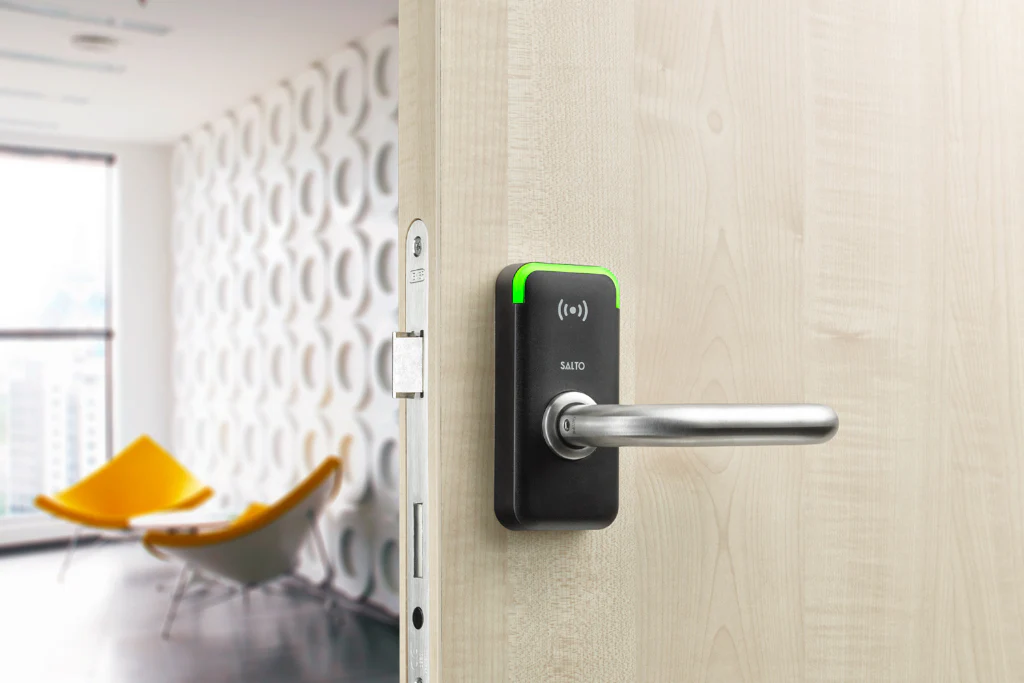
Access control systems are security solutions designed to regulate who can enter or exit a building, room, or digital environment. Instead of relying solely on mechanical locks, these systems use electronic credentials such as keycards, PIN codes, biometric data (fingerprints or facial recognition), or mobile-based authentication.
The primary objective of access control systems is simple: allow access to authorized individuals while denying entry to unauthorized persons. However, their functionality extends much further, offering tracking, reporting, and real-time monitoring capabilities.
Why Unauthorized Access Is a Serious Threat
Unauthorized access can lead to various security breaches, including theft, vandalism, data leaks, and even personal harm. In commercial environments, this can mean loss of sensitive information, financial damage, and reputational harm. For residential properties, it can compromise safety and peace of mind.
Traditional locks can be easily duplicated, lost, or broken, making them less reliable in high-risk scenarios. This is where access control systems provide a more secure and intelligent solution.
Key Components of Access Control Systems
To understand how access control systems work effectively, it’s important to look at their main components:
Access Points: Doors, gates, or entryways secured by the system
Credentials: Keycards, PINs, biometric data, or mobile credentials
Readers: Devices that scan or verify credentials
Control Panels: The central system that processes authentication
Software: Allows administrators to manage permissions and monitor activity
Each of these components works together to ensure that only authorized users gain entry.
How Access Control Systems Prevent Unauthorized Access
1. Authentication and Authorization
One of the biggest advantages of access control systems is their ability to verify identity before granting access. Whether it’s through a fingerprint scan or a digital keycard, the system ensures that only approved individuals can enter.
Unlike traditional locks, which cannot distinguish between users, these systems provide personalized access. For example, an employee may only have access to certain areas during specific hours.
2. Real-Time Monitoring
Modern access control systems offer real-time monitoring capabilities. This means administrators can track who enters and exits a building at any given time.
If an unauthorized attempt occurs, the system can trigger alerts or alarms, allowing immediate action. This proactive approach significantly reduces the risk of security breaches.
3. Access Restrictions and Permissions
With access control systems, you can set different levels of access for different users. For example:
Employees can access office spaces during working hours
Managers may have 24/7 access
Visitors may only access designated areas
This level of control ensures that sensitive areas remain protected at all times.
4. Audit Trails and Reporting
Another critical feature of access control systems is their ability to maintain detailed logs of all entry and exit activities. These audit trails can be used to:
Investigate security incidents
Monitor employee attendance
Ensure compliance with security policies
Having a clear record of activity enhances accountability and transparency.
5. Integration with Other Security Systems
Access control systems can be integrated with other security solutions such as cctv camera system alarm systems, and intercoms. This creates a comprehensive security network that enhances overall protection.
For instance, when an unauthorized access attempt is detected, the system can automatically activate cameras or notify security personnel.
Types of Access Control Systems
There are several types of access control systems, each suited to different needs:
Discretionary Access Control (DAC)
The owner decides who has access. This is commonly used in smaller environments but may lack strict control.
Mandatory Access Control (MAC)
Access is based on predefined security policies. It is often used in high-security environments like government facilities.
Role-Based Access Control (RBAC)
Access is assigned based on a user’s role within an organization. This is one of the most popular and efficient methods for businesses.
Biometric Access Control
Uses unique biological traits such as fingerprints or facial recognition, offering a high level of security.
Benefits of Using Access Control Systems
Implementing access control systems offers numerous advantages:
Enhanced Security: Reduces the risk of unauthorized entry
Convenience: Eliminates the need for physical keys
Scalability: Easily adaptable for growing businesses
Cost-Effective: Reduces expenses related to lock replacements and security breaches
Remote Management: Allows administrators to control access from anywhere
These benefits make access control systems an essential part of modern security strategies.
Applications Across Different Sectors
Access control systems are widely used across various industries:
Commercial Buildings: To secure offices, data centers, and restricted zones
Healthcare Facilities: To protect patient records and controlled areas
Educational Institutions: To ensure student and staff safety
Residential Properties: For gated communities and smart homes
Industrial Sites: To safeguard sensitive equipment and materials
Each sector benefits from the flexibility and reliability of these systems.
Future Trends in Access Control Systems
The future of access control systems is driven by technological advancements. Some emerging trends include:
Mobile-Based Access: Using smartphones as digital keys
Cloud-Based Systems: Allowing remote management and scalability
Artificial Intelligence: Enhancing threat detection and response
Touchless Entry: Increasing hygiene and convenience
These innovations are making access control systems more efficient, secure, and user-friendly.
Conclusion
In an age where security threats are becoming more sophisticated, relying on outdated methods is no longer sufficient. Access control systems provide a modern, reliable, and highly effective way to prevent unauthorized access. By combining authentication, monitoring, and advanced technology, these systems ensure that only the right people can enter the right spaces at the right time.
For businesses and homeowners looking to enhance their security, investing in access control systems is a smart and forward-thinking decision. They not only protect assets and individuals but also offer peace of mind in an increasingly uncertain world.
When it comes to trusted security solutions, Amalgamated Locksmith stands out as a reliable provider of advanced locking and access solutions. With years of expertise in the industry, the brand offers professional services tailored to meet modern security demands, helping clients implement effective access control systems that ensure safety, efficiency, and long-term protection.

Write a comment ...